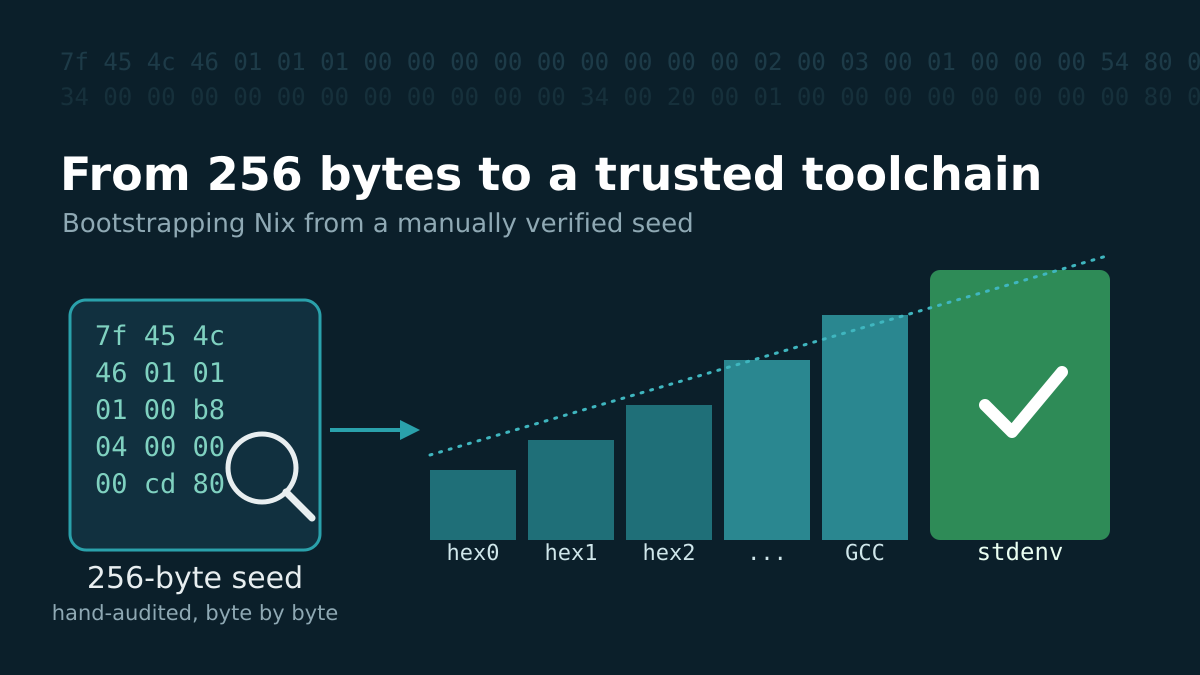
How we built Nix and its standard environment entirely from source, bootstrapping the toolchain from a 256-byte seed that we audited byte by byte.
Helsing is a new type of defence company. We provide AI-enabled precision mass and autonomous systems across all domains. Read more about the company and our products at https://helsing.ai. The purpose of this blog is to offer a behind the scenes look into the company – our people, our culture, our ways of working, and our technology and how we build it.
How we built Nix and its standard environment entirely from source, bootstrapping the toolchain from a 256-byte seed that we audited byte by byte.
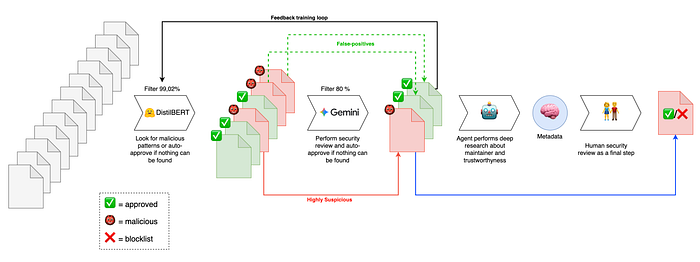
Describes Helsing's multi-layer AI vetting pipeline for detecting malicious behavior in software packages that traditional rule-based analysis cannot identify. The system uses DistilBERT for initial scanning, LLMs for triaging, and human review to identify packages with unwanted telemetry, obfuscated code, and supply chain risks.
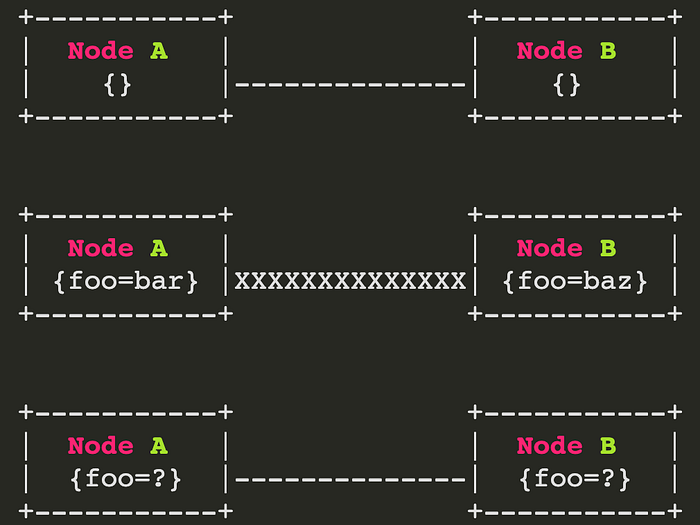
Introduces dson, a delta-state CRDT implementation for JSON-like structures in peer-to-peer networks with high latency. Provides a pragmatic middle ground between operation and state CRDTs using Observed-Remove semantics while eliminating tombstones and ensuring eventual consistency.
Evelyn reflects on her ada Fellowship experience, highlighting AI upskilling and organizational change management. Key takeaways include the 'How might we' technique, the Ada Future Lab project, and emphasis on human skills becoming more vital in the age of automation.
Introduces Sguaba, a Rust crate for strongly-typed coordinate system transformations preventing accidental mixing of different systems. Designed for engineers rather than mathematicians with easy-to-reason-about types and extensive footgun-avoidance documentation.
Reports on Helsing's gold sponsorship of IC Hack 2025 at Imperial College with 600+ participants. Features a Rust macros tech talk and 23 teams competing in the AI-for-decision-making category, with the winning project Cascade mapping supply chain risks.
Introduces Twurst, Helsing's Rust implementation of the Twirp protocol for brownfield networks without HTTP/2 support. Enables versatile server implementations supporting both gRPC and Twirp with HTTP 1.1, proper JSON support, and Axum middleware integration.
Announces Helsing's partnership with Elles Bougent, a French association increasing Women in Tech representation through role models. The partnership reflects long-term investment in education and culture change, inspiring girls and women from the youngest ages.
Highlights Jon Gjengset's blog post about finding sustainable balance in hyper-growth startups. Shares mental models for understanding employer-employee incentives and achieving equilibrium between company objectives and individual goals.
Reports on Helsing's sponsorship of the AI for Ukraine Recovery Hackathon with 28 teams creating solutions for damage evaluation, logistics, and cybersecurity. The event resulted in two grand prize winners and demonstrated AI's importance for Ukraine's post-war recovery.
Introduces Evelyn, the 2024/2025 Helsing x ada fellow and founder of Patterns GG. She brings expertise in team dynamics from studying collaboration in online games and aims to develop leadership skills and transform ideas into valuable products.
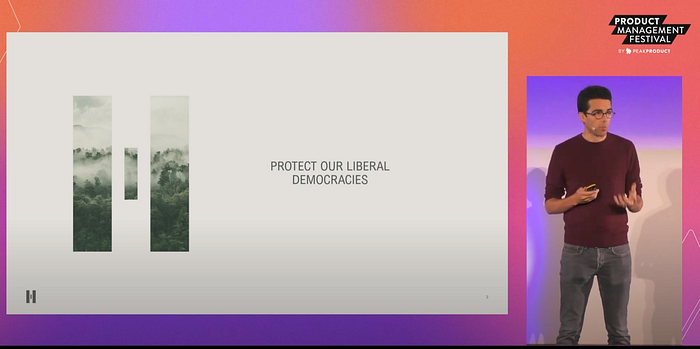
Features VP Product Marcel Gordon's talk at Product Management Festival discussing Helsing's mission-driven approach. Explores how product management practices are fundamentally shaped by company strategy and business model.
Announces Helsing's 2-day hackathon at Rust Nation UK featuring hands-on challenges with quadcopters, RC cars, and robotics. Provides pre-configured hardware and tasks at varying difficulty levels for participants from beginners to expert Rust developers.
Announces the Helsing x ada Fellowship, a one-year program for empowering female technologists. The fellowship provides high-quality knowledge, cross-industry networking, and real innovation implementation with full Helsing sponsorship and dedicated mentorship.
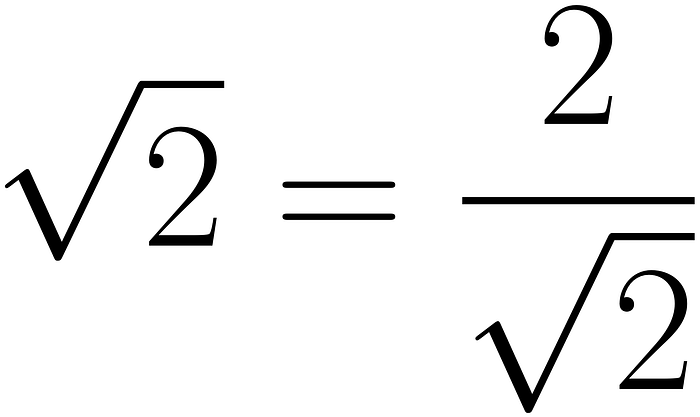
Advocates for outside-in refactoring that starts by designing the new API first, then implementing it using old code. This approach sets clear goals, allows early experimentation, and leverages the type system to guide implementation toward desired constraints.
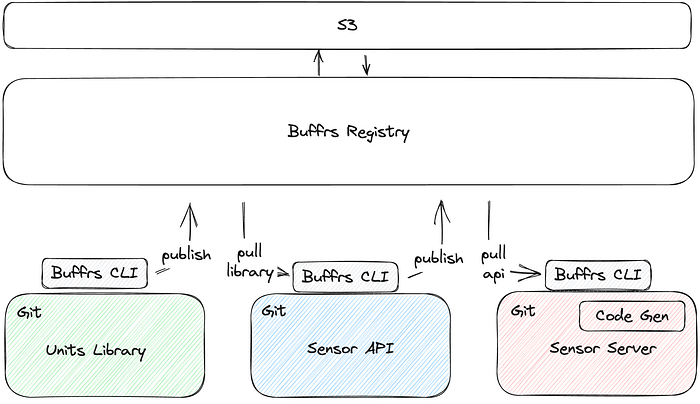
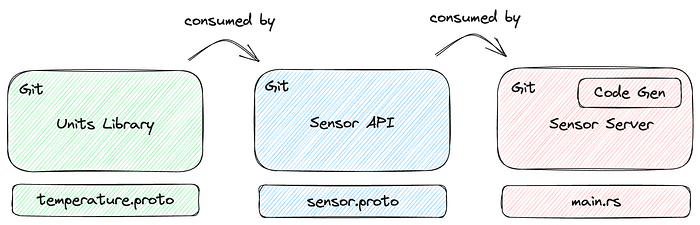
Introduces Buffrs, Helsing's package manager for protocol buffers addressing distribution and dependency challenges. The tool enables versioning, consumer-side code generation, and composition via libraries while distinguishing between Library and API packages for better decomposition.
Provides a tutorial for using Buffrs to create shared libraries and gRPC services in Rust. Demonstrates how Buffrs enables reduced complexity through type reuse, common API flavor, and wire compatibility across diverging library versions.
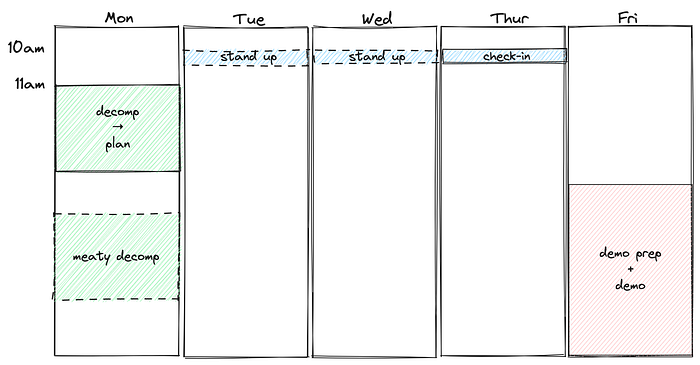
Presents a framework for operating small engineering teams with minimal meeting overhead and maximum async communication. Key principles include planning for 4 days not 5, delivering weekly, and having targeted synchronous meetings focused on alignment rather than status updates.
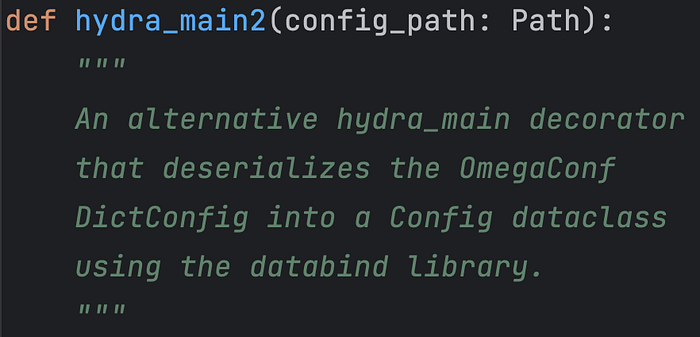
Addresses OmegaConf's structured configuration limitations including lack of custom deserializers and union type support. Proposes using the databind library to deserialize Hydra configs into strongly-typed dataclasses, providing a pit-of-success for type-safe configuration.
Introduces lsmlite-rs, Rust bindings for SQLite's LSM storage engine designed for real-time sensor data on embedded devices. Provides excellent read performance, ACID transactions, and 16 MiB memory footprint while excelling at random writes and low-selectivity queries.
Argues that Ukraine demonstrates how software and AI dominance can overcome numerical disadvantages through faster targeting cycles. Identifies four key lessons: speed is the new mass, adaptability counters digital countermeasures, software adds precision, and agile companies are decisive.
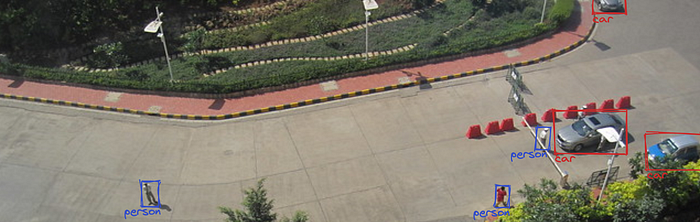
Provides a comprehensive overview of object detection from handcrafted features to deep learning. Discusses unique defence challenges including tuneable performance, in-mission learning, scale imbalance, and multi-modal sensor fusion that are orthogonal to mainstream research.
A personal reflection on joining Helsing to protect liberal democracies and ensure ethical AI deployment in defence. Highlights the importance of diversity in decision-making and Helsing's commitment to supporting women in leadership through mentorship and inclusive culture.
Discusses product development approaches along the problem-solution axis, from Waterfall to Empowered teams. Helsing uses Empowered teams for zero-to-one innovation and Agile for iterating established products, recognizing that disruptive insights come from cross-functional collaboration.
Announces the open-source release of Helsing's comprehensive software testing workshop with 4 hours of theory and exercises. The materials emphasize that testing is fundamental to high-quality software culture and serves as documentation while encouraging better API design.
Proposes that code quality matters when two or more engineers touch a codebase, including your future self. Argues that mastering engineering quality is a learnable skill enabling developers to produce high-quality code at velocity without trading off speed.
Introduces Node Computing as a paradigm for distributed systems that operate across unreliable network environments. The architecture enables nodes to dynamically reconfigure data flow and adapt algorithmic capabilities based on network quality, serving as Helsing's architectural foundation.